
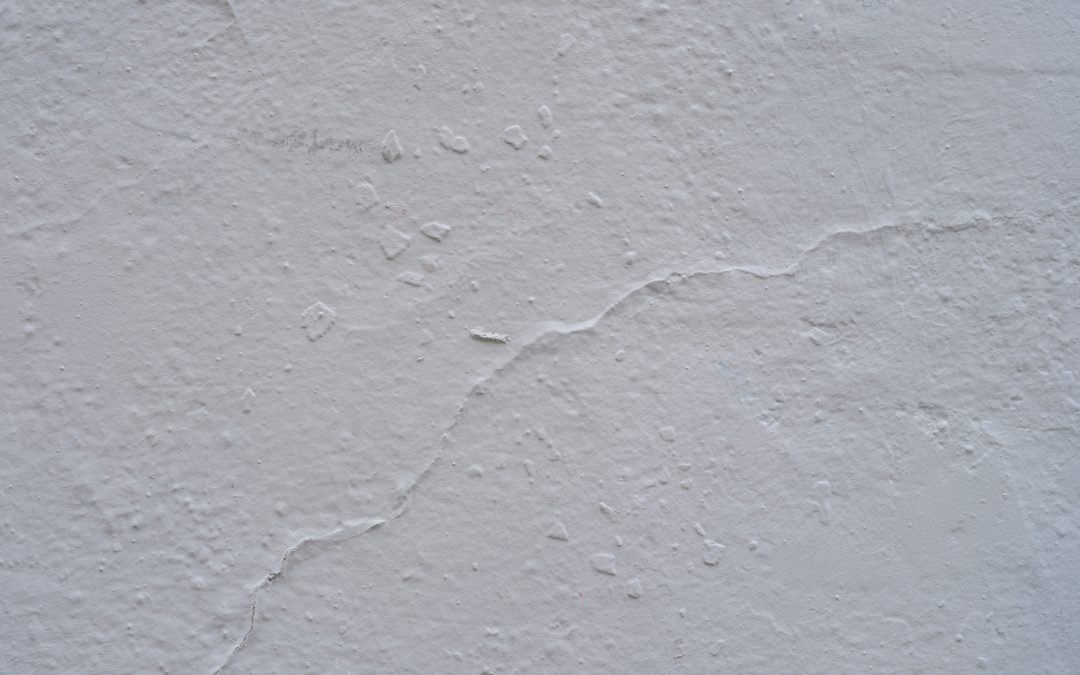
When it comes to finishing walls, drywall texture types play a big role in the look and feel of a room. Texture isn’t just decorative—it can also hide imperfections, reduce noise, and even affect how paint adheres. Whether you are renovating, building a new home, or just updating a single room, knowing your options helps you make the best choice.
According to the Painting and Decorating Contractors of America, textured walls remain a popular choice because they add dimension, style, and durability to interior spaces.
Popular Drywall Texture Types
There are several drywall texture types to consider, each with its own style and application technique. Here are the most common:
1. Knockdown Texture
Knockdown is created by applying joint compound in random patterns, then flattening it slightly with a trowel. It offers a subtle, modern look that works in living rooms, bedrooms, and hallways. This style is popular because it hides minor wall imperfections and is easy to paint over.
2. Orange Peel Texture
Orange peel is named for its similarity to the skin of an orange. It is created by spraying thinned joint compound onto walls and letting it dry naturally. Orange peel is subtle yet adds depth, making it ideal for ceilings and large walls. It is also easier to repair than heavier textures.
3. Knockdown Ceiling Texture
Similar to wall knockdown, this version is heavier and often used on ceilings. It helps reduce glare from lights and hides surface flaws. This texture is especially popular in basements and large open rooms.
4. Popcorn Texture
Popcorn texture was widely used on ceilings in the 1970s and 1980s. It has a rough, bumpy appearance that helps with soundproofing. However, it is now less common due to difficulty in cleaning and potential asbestos in older homes. Newer popcorn textures use safer materials.
5. Skip Trowel Texture
Skip trowel is a hand-applied technique that creates a layered, rustic look. It works well in homes seeking a Mediterranean or southwestern style. Skip trowel is thicker than orange peel but softer than knockdown, giving walls a unique depth.
6. Knockdown Swirl
This artistic texture combines the knockdown technique with circular patterns to create a decorative wall finish. It is often chosen for accent walls or living areas to make a statement.
How to Choose the Right Texture
Choosing among drywall texture types depends on several factors:
- Room size and lighting: Heavier textures can make small rooms feel smaller, while subtle textures enhance lighting.
- Style preference: Modern homes often prefer knockdown or orange peel, while rustic designs may favor skip trowel.
- Maintenance: Smooth textures are easiest to clean, while popcorn and heavy knockdown can trap dust.
- DIY vs. Professional: Some textures like orange peel and skip trowel are easier to DIY, while knockdown and swirl often require experience.
Tips for Applying and Maintaining Textured Drywall
- Always prep the surface by cleaning walls and repairing cracks before texturing.
- Use the correct tools: spray gun, trowel, or roller depending on the texture type.
- Practice on a scrap board before attempting the full wall.
- Keep a small container of leftover joint compound for future repairs.
- Paint over textures with a roller suited for rough surfaces to ensure even coverage.
Conclusion
Understanding drywall texture types can transform a plain wall into a stylish feature in your home. From subtle orange peel to decorative knockdown swirls, each texture has unique benefits. When choosing a texture, consider your room size, lighting, style, and maintenance needs. Whether you decide to DIY or hire a professional, the right texture enhances the look, feel, and value of your home.